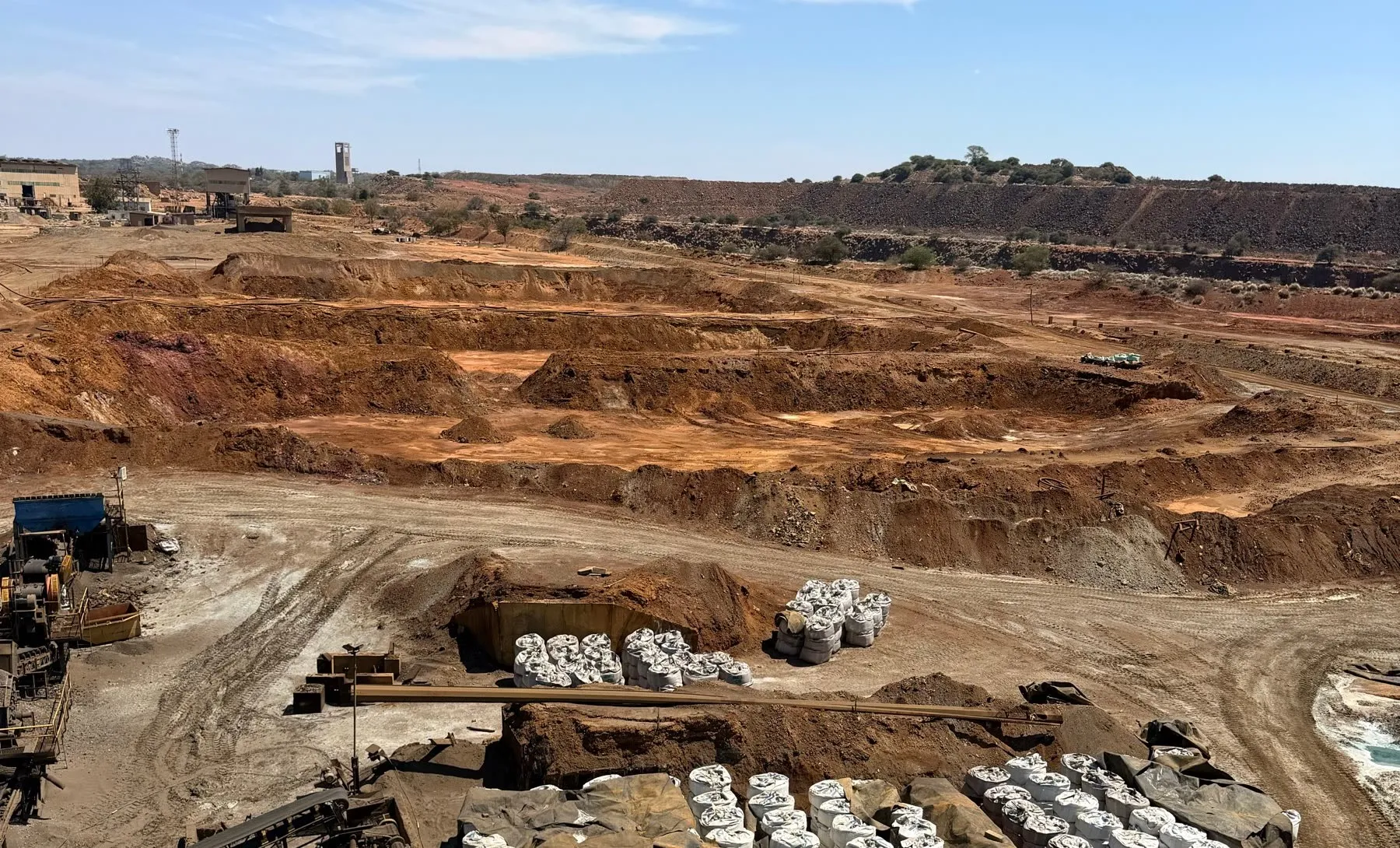
Nickel and copper from material already mined.
Read about the projectSelebi-Phikwe, BotswanaPhotographed October 2026
What the mine left behind.
Mine2Market recovers nickel and copper from legacy material at the former mine and smelter in Selebi-Phikwe, Botswana. The cost of bringing that material above ground was paid decades ago. What remains is recovery, verification and sale.
Nickel and copper were mined and smelted at Selebi-Phikwe for more than forty years before the operation closed in 2016. Material that did not suit the plant or the prices of the day was stockpiled, spilled or set aside, and much of it is still on site.
- Location
- Selebi-Phikwe
- Botswana
- Metals
- Nickel and copper
- Legacy nickel-copper sulphide material
- Site
- Closed 2016
- Former mine and smelter, worked for more than forty years
- Material
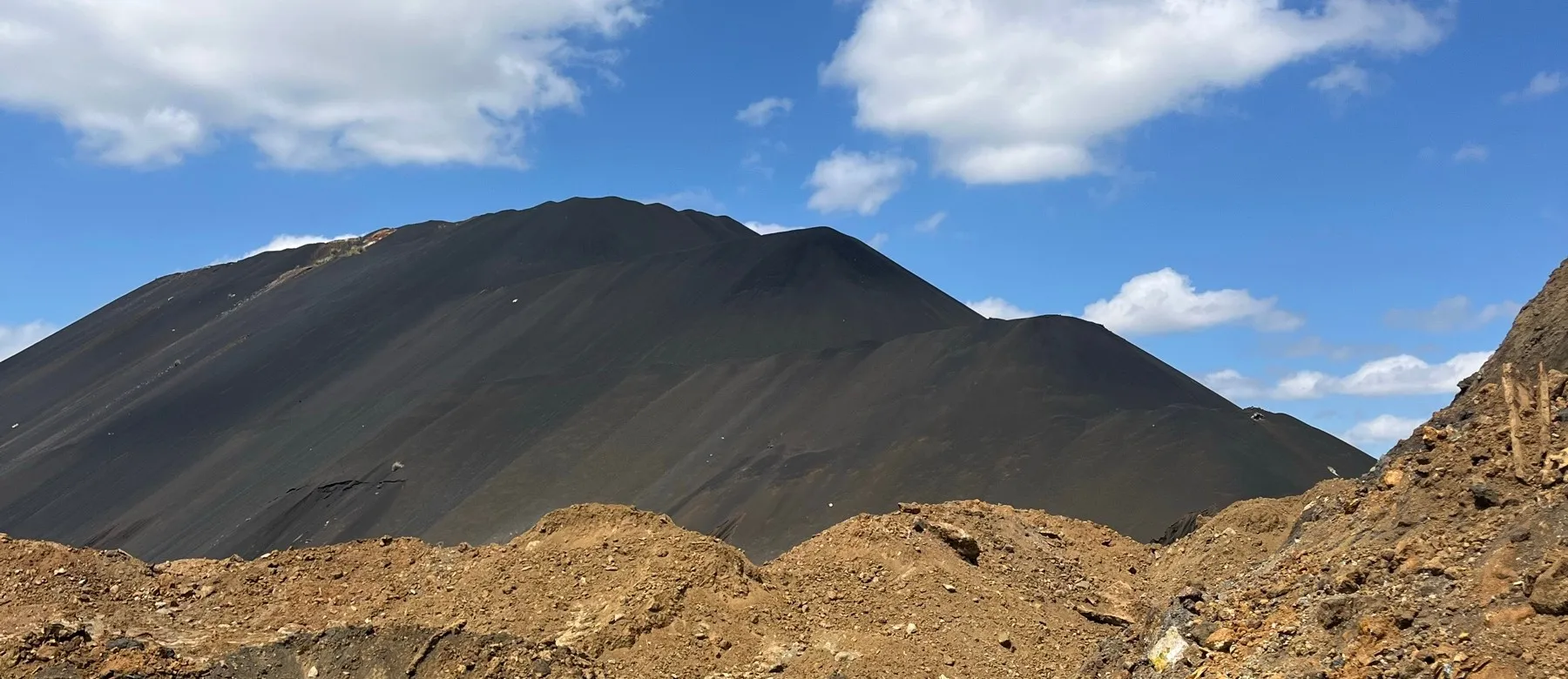
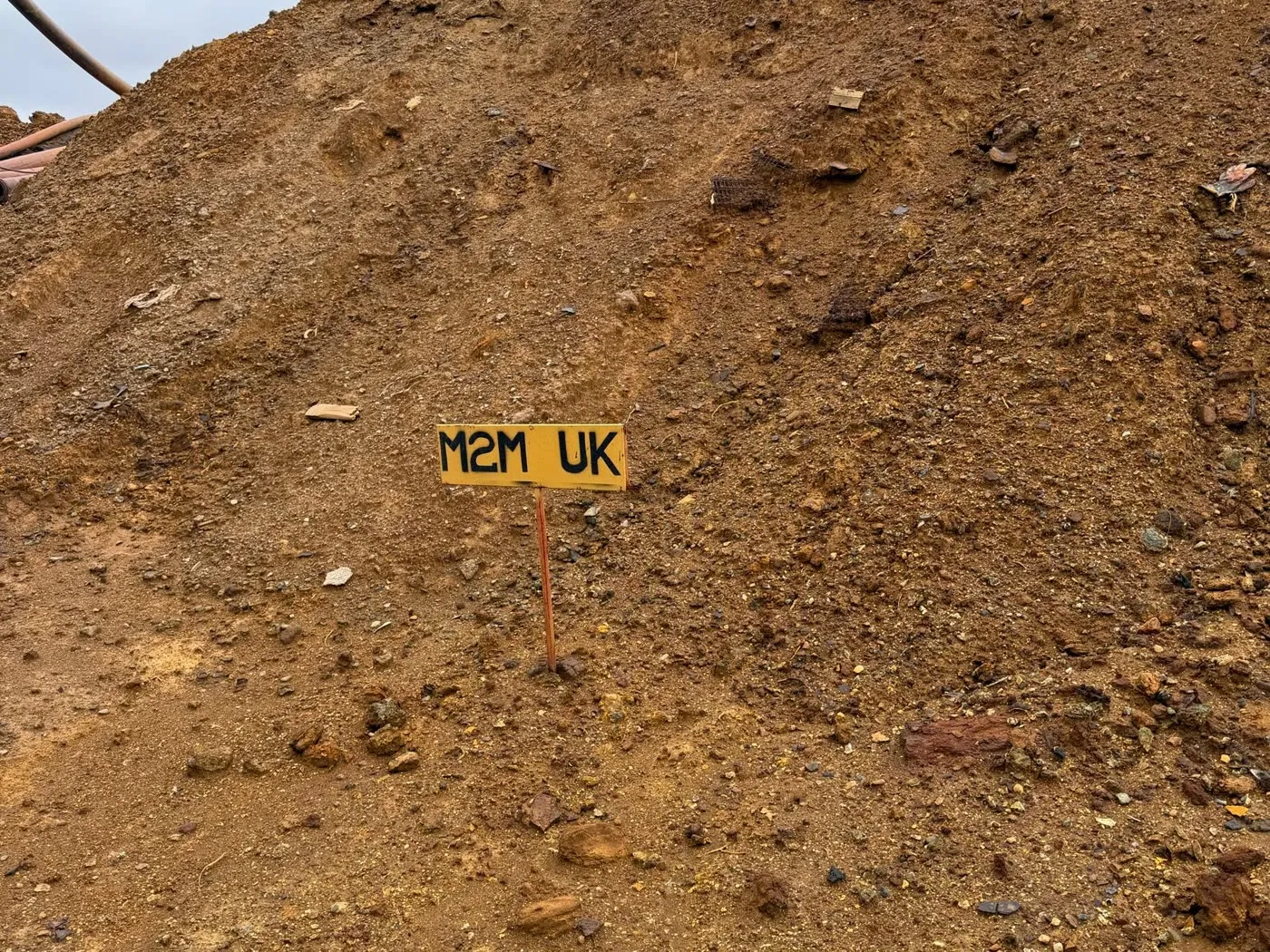
- 28 intermediate dumps
- Stockpiled, spilled or set aside while the plant ran
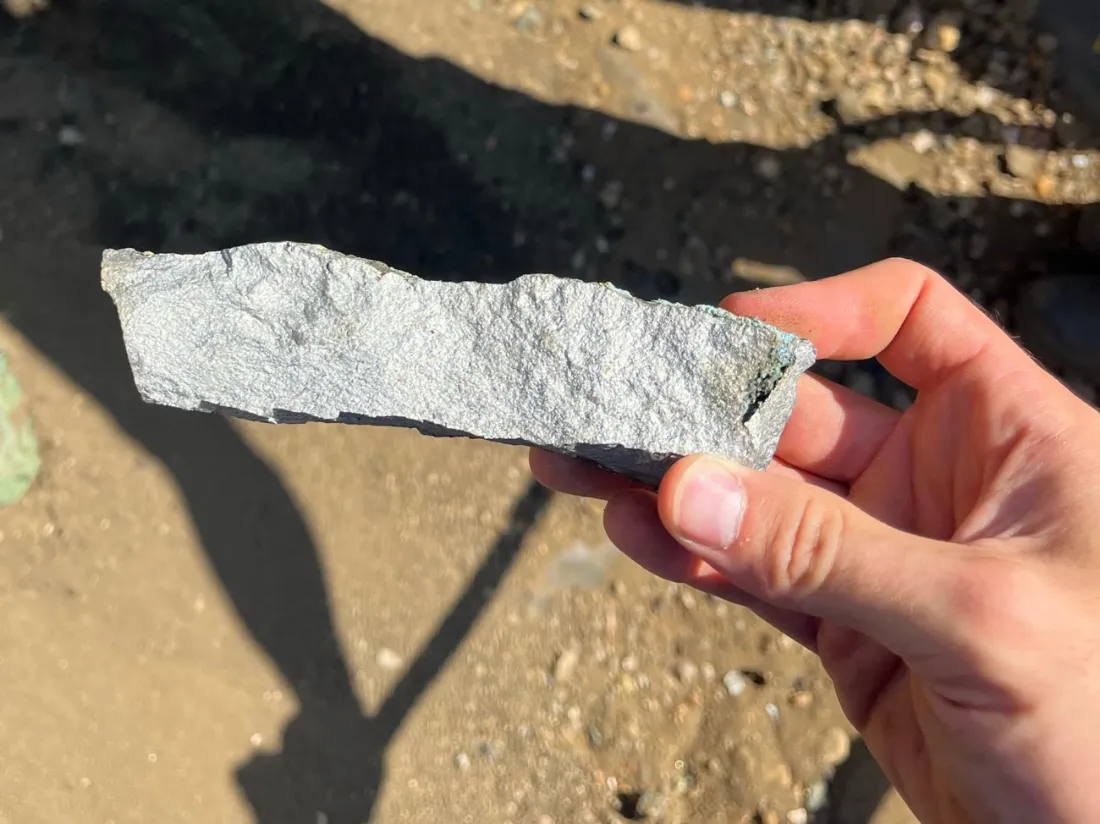
Selebi-Phikwe legacy recovery.
The attraction is simple to state, even though the work is not. Exploration, development and extraction have already been paid for. What is left is above ground: understand the material, separate what has value, document it properly and move it to a buyer. Each step is measurable, and none of them involves sinking a shaft.
The project is deliberately staged. Characterisation comes first, processing follows what the analysis supports, and sealed, independently assayed lots make the case for scale.
Material on site
- Nickel-copper sulphide concentrates
- Nickel-copper matte and smelter reverts
- Plant lockups, knockouts and spillages
- Historic concentrate stockpiles and pond residues
- Intermediate dump material
One chain, from stockpile to sale.
Characterise
Understand the material before committing capital to it.
Recover
Separate the valuable streams with a route chosen to fit.
Verify
Weigh, seal and account for every lot.
Route to market
Move documented material to the right buyer.
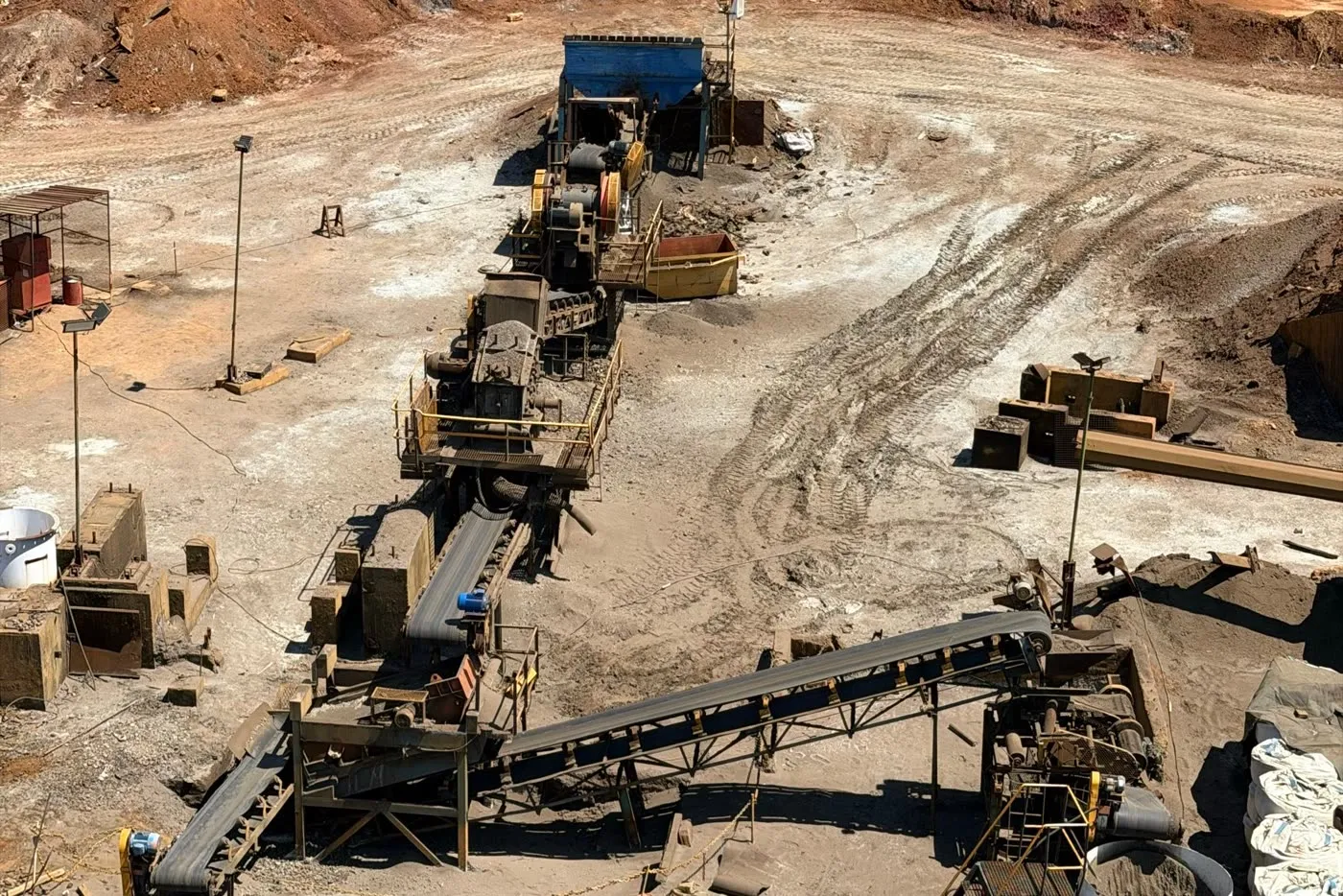
Take away the exposed material. Manage what remains.
Reprocessing gives material that has sat exposed for decades a second productive use. Where sulphide-bearing streams are identified, recovered and their residues placed under controlled management, the site that remains is smaller, better understood and easier to monitor.
We are careful about the limits of this claim. Separation is one part of responsible site management, not the whole of it. Residual streams still need site-specific containment, monitoring and closure work.
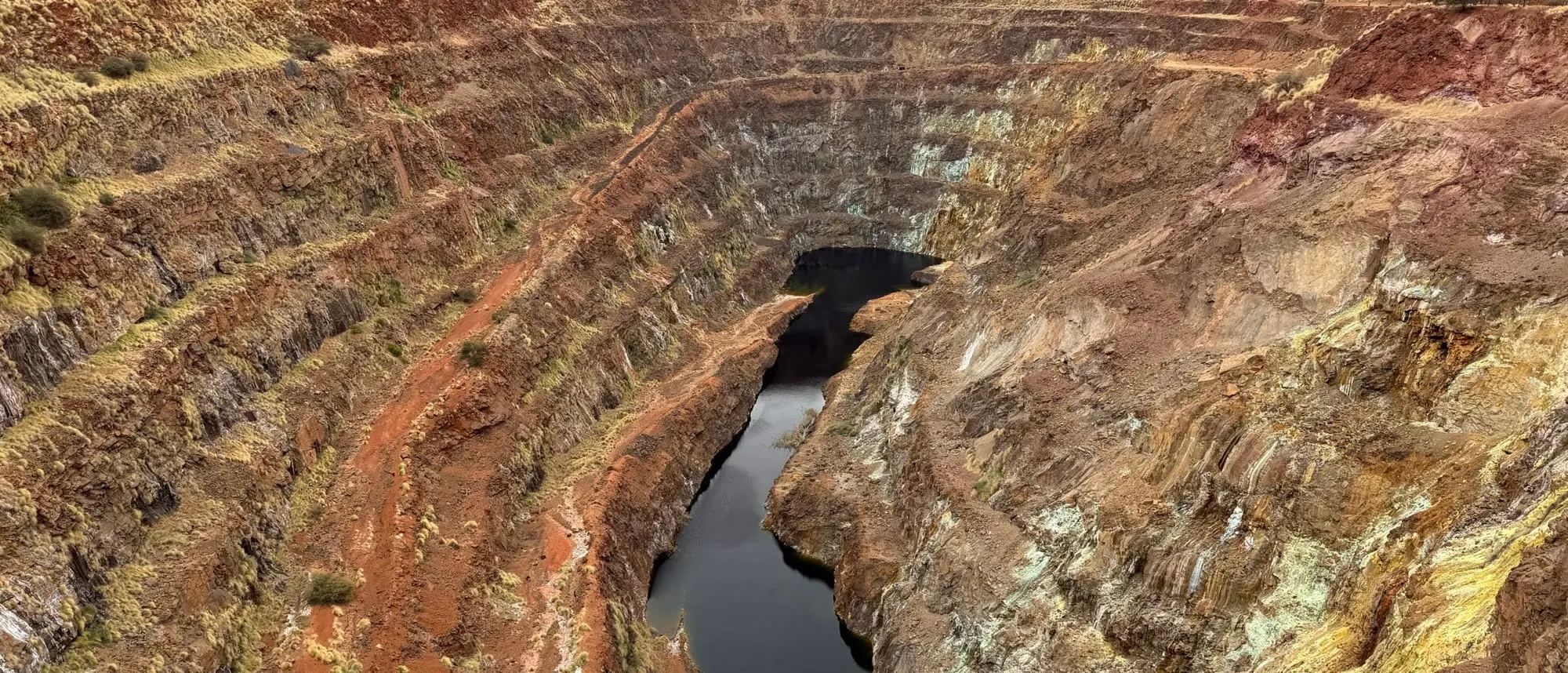
Former open pit at Selebi-Phikwe, August 2026.
The site, and where the work stands.
- 1973Mining and processing begin at Selebi-Phikwe.
- October 2016Operations stop and the operating company goes into liquidation.
- 2023Mine2Market begins work on legacy material at the site.
- 2026Mine2Market completes the purchase of 28 intermediate dumps.
Enquiries.
Email enquiries@mine2market.comInvestors
Tell us what you need to see. Detailed technical and commercial information is shared under confidentiality.
Metal buyers
Tell us the material and specification you are looking for, and where you take delivery.